


Securing Administrative Access Without Expanding Your Attack Surface

Adam Cady

Why the Most Critical Access Path in Your Network May Also Be the Most Dangerous
Every organization faces the same fundamental challenge:
The people responsible for protecting infrastructure require privileged access to that infrastructure.
Network engineers, security teams, and administrators need the ability to reach routers, switches, firewalls, servers, and critical systems when things go wrong. Yet every management interface, console port, remote access pathway, and authentication mechanism creates another potential avenue for compromise.
The Challenge
Organizations must balance two competing priorities:
Providing administrators with the access they need
Minimizing opportunities for attackers to gain privileged control
Maintaining operational continuity during outages
Ensuring security controls do not hinder recovery efforts
The objective is not to eliminate administrative access. The objective is to architect access in a way that strengthens security, resilience, and operational continuity simultaneously.
Organizations that fail to do so often discover a harsh reality:
The management plane they rely on to recover from outages becomes the very pathway attackers exploit to gain control.
Administrative Access Is the Ultimate Target
From an attacker's perspective, administrative access is the prize.
While compromising a user workstation may provide limited access, compromising an administrative pathway can provide control over the entire environment.
Common Administrative Interfaces
Modern infrastructure includes numerous privileged interfaces:
Serial console ports
Out-of-Band Management (OOBM) systems
SSH management interfaces
IPMI, iLO, and iDRAC controllers
Network appliance management ports
Storage and virtualization administration platforms
What Attackers Can Do with Administrative Access
When adversaries gain access to these systems, they can:
Modify network configurations
Disable security controls
Establish persistent access
Bypass traditional monitoring systems
Survive reboots and system restoration efforts
Operate beneath the visibility of many endpoint security tools
Business Impact
A compromised management plane can lead to:
Extended outages
Regulatory compliance violations
Data breaches
Operational disruption
Increased recovery costs
Loss of customer trust
This reality has elevated management plane security from a best practice to a critical infrastructure requirement.
The Five Principles of Secure Administrative Access
1. Physically and Logically Isolate the Management Plane
Administrative traffic should never share the same infrastructure, failure domain, or attack surface as production traffic.
A properly designed Out-of-Band Management architecture operates independently from the primary network and remains accessible even when production systems fail.
Key Requirements
Dedicated management infrastructure
Independent connectivity paths
Separate switching and routing domains
Isolated authentication mechanisms
Independent recovery capabilities
Benefits
Reduced attack surface
Improved resiliency
Faster incident response
Reliable recovery during outages
When the management plane depends on the production network, both security and resiliency suffer.
2. Enforce Least-Privilege Access
Not every administrator requires access to every device.
Access controls should be based on:
Role
Responsibility
Device type
Operational requirements
Time-based authorization
Why It Matters
Least-privilege access helps organizations:
Reduce insider threats
Limit lateral movement
Minimize credential abuse
Improve accountability
Strengthen compliance posture
Granular access policies dramatically reduce the potential impact of credential compromise while improving operational control.
3. Strengthen Authentication Without Hindering Operations
Security controls that interfere with operations inevitably create workarounds.
Engineers responding to outages need secure access that remains practical under pressure.
Recommended Controls
Multi-factor authentication (MFA)
CAC/PIV authentication
Privileged Access Workstations (PAWs)
Dedicated jump hosts
Time-limited privileged sessions
The Goal
Effective authentication should be:
Secure
Reliable
Easy to use during emergencies
Available when primary systems fail
The goal is not simply stronger authentication. The goal is stronger authentication that remains usable during a crisis.
4. Ensure Authentication Survives Infrastructure Failures
One of the most overlooked risks in infrastructure design is dependency on production identity systems.
If Active Directory, RADIUS, cloud identity services, or primary authentication platforms become unavailable during an outage, administrators may lose access to the very tools required to restore service.
Common Risks
Identity provider outages
Active Directory failures
Network segmentation issues
Cloud authentication disruptions
Ransomware impacts on authentication services
A resilient management architecture requires authentication infrastructure that remains available independently of the production environment.
Ask This Critical Question
If our primary network fails right now, can administrators still authenticate and recover critical systems?
If the answer is no, resilience gaps remain.
5. Log Every Administrative Session
Administrative accountability is essential for both security and compliance.
Organizations should maintain detailed records of:
Login activity
Session metadata
Commands executed
Configuration changes
Device access history
Logging Best Practices
Centralized log collection
Tamper-resistant storage
Session recording
Long-term retention
Automated alerting and monitoring
Logging systems should be stored outside the environment being administered whenever possible.
If administrators can modify their own audit records, accountability is compromised.
Why Jump Hosts Remain a Critical Security Control
Most mature organizations secure administrative access through hardened jump hosts or privileged access workstations.
Benefits of a Jump Host Architecture
A properly implemented jump host architecture provides:
A single monitored ingress point
Consistent policy enforcement
Centralized logging
Session recording
Multi-factor authentication enforcement
Reduced management network exposure
Security Considerations
Because jump hosts are highly privileged systems, they should be:
Hardened against attack
Continuously monitored
Regularly patched
Subject to strict access controls
Integrated into a secure Out-of-Band Management architecture
If compromised, a jump host can become a direct pathway into the management environment.
For this reason, jump hosts should ideally be accessible through a secure Out-of-Band Management architecture rather than relying exclusively on the production network.
What Security Leaders Should Evaluate
When assessing administrative access security and Out-of-Band Management platforms, organizations should evaluate the following areas:
Physical Independence
Can the management platform operate independently of the production network?
Does it maintain access during outages?
Authentication Resilience
Will authentication continue to function during cyber incidents?
Are backup authentication methods available?
Granular Access Controls
Can access be restricted by user, device, role, and operational requirements?
Are permissions easy to audit?
Comprehensive Session Logging
Are all administrative actions recorded?
Are logs protected from tampering?
Secure Communications
Does the platform enforce encrypted communications?
Are validated cryptographic standards used?
Operational Survivability
Can administrators maintain visibility and control during:
Network failures
Ransomware incidents
Identity service outages
Infrastructure disruptions
The CDI Approach
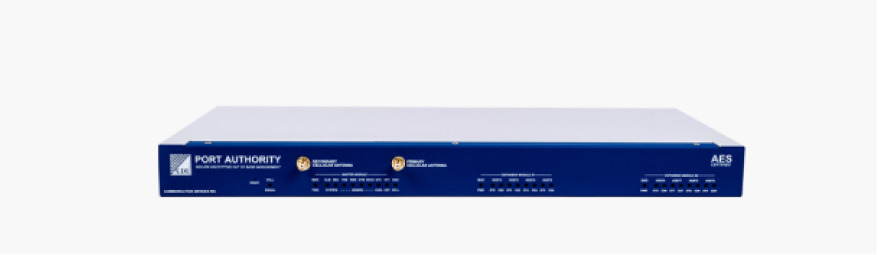
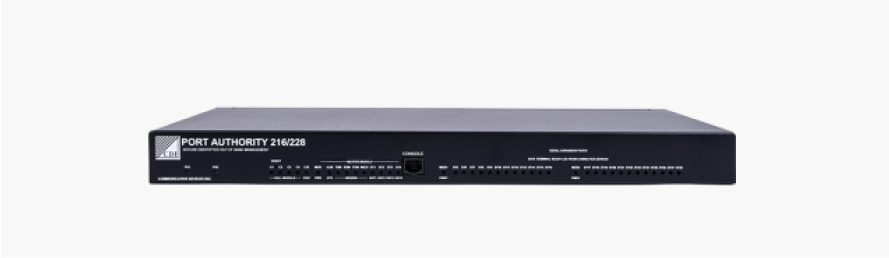
For decades, Communication Devices, Inc. (CDI) has helped government agencies, critical infrastructure operators, defense organizations, and enterprise networks secure administrative access without compromising operational agility.
CDI Secure Out-of-Band Management Delivers
Isolated management pathways
Independent management infrastructure
Integrated LTE connectivity
CAC authentication support
Comprehensive auditing and logging
FIPS 140-3 validated security
Secure access for mission-critical environments
CDI's Secure Out-of-Band Management solutions are purpose-built around a simple philosophy:
The management plane must remain secure, available, and independent.
Unlike conventional approaches that depend on production networks and external infrastructure, CDI's architecture helps organizations maintain secure administrative access even during outages, cyber incidents, and infrastructure failures.
Why It Matters
Organizations that successfully defend critical infrastructure understand that:
Administrative access is a high-value target
Resilience requires independence from production systems
Recovery capabilities must remain available during crises
Security and operational continuity must work together
The management plane is not a convenience.
It is critical infrastructure.
And critical infrastructure deserves security designed from the ground up.
Because the attack surface you never create is the attack surface that can never be exploited.
Related Tags
Share this article
Related Content


United States Office
- 85 Fulton Street Boonton, NJ 07005
- +1 973-334-1980
- +1 973-334-0545
- info@commdevices.com
© 2023 Communication Devices, Inc.