


Keeping Railway Networks Running with Secure Out-of-Band Management

Adam Cady

Secure Out-of-Band Management for Modern Railway Networks
Keeping critical rail communications infrastructure accessible, encrypted, and recoverable when primary networks fail.
Railway networks depend on a vast, distributed communications infrastructure to support dispatching, signaling, yard operations, remote facilities, and the systems that keep freight and passenger movement on schedule. Behind those operations are routers, switches, serial-connected devices, and communications equipment spread across substations, relay houses, control points, and other remote locations where immediate physical access is often impractical.
When a primary WAN link fails, a device becomes unresponsive, or a cyber incident disrupts normal network access, rail operators need more than standard remote management. They need a secure, independent path back into the infrastructure.
Why Out-of-Band Management Matters
Secure Out-of-Band Management provides that resilience layer. By separating administrative access from the production network, OOB management allows authorized engineering and operations teams to reach remote devices even when the network they are managing is down, degraded, or compromised.
For railway and logistics environments, this capability can help reduce truck rolls, accelerate recovery, support remote troubleshooting, and maintain visibility across geographically dispersed infrastructure. It also strengthens operational control by enabling console access, remote power cycling, encrypted cellular fallback, and authentication methods that do not rely on systems that may be unavailable during an incident.
Security Cannot Be an Afterthought
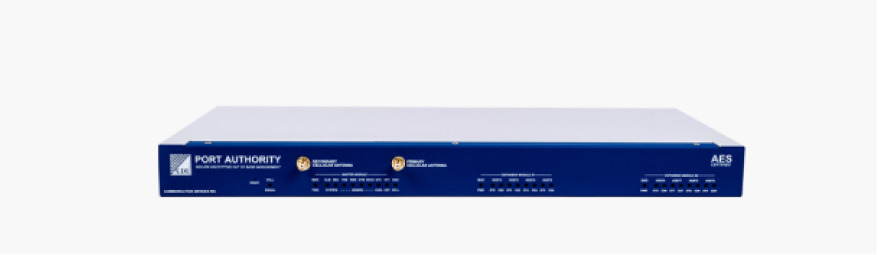
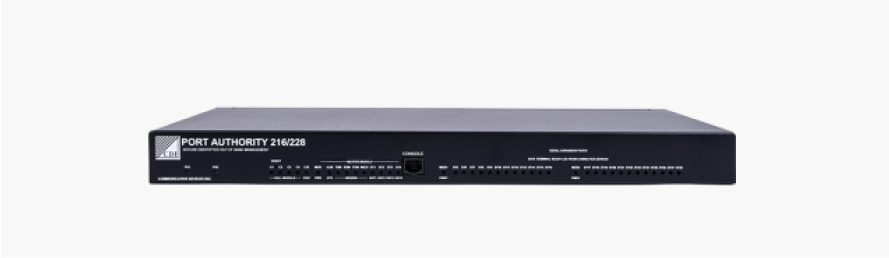
As transportation networks become more connected and cyber-regulated, secure access to critical infrastructure must meet a higher standard. CDI’s FIPS 140-3 validated Port Authority console server family and serial Power Control Modules are designed for mission-critical environments where uptime, encryption, control, and independent access are non-negotiable.
CDI helps railway, logistics, government, and critical infrastructure operators close a dangerous gap: relying on a single access path to manage the systems that keep operations moving.
Read the full blog to learn how secure Out-of-Band Management strengthens resilience across modern railway networks.
Related Tags
Share this article
Related Content


United States Office
- 85 Fulton Street Boonton, NJ 07005
- +1 973-334-1980
- +1 973-334-0545
- info@commdevices.com
© 2023 Communication Devices, Inc.