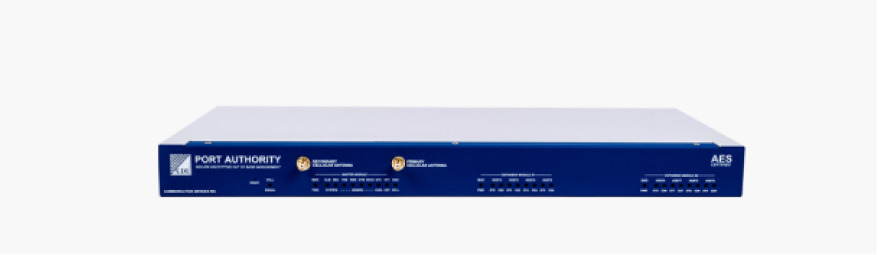
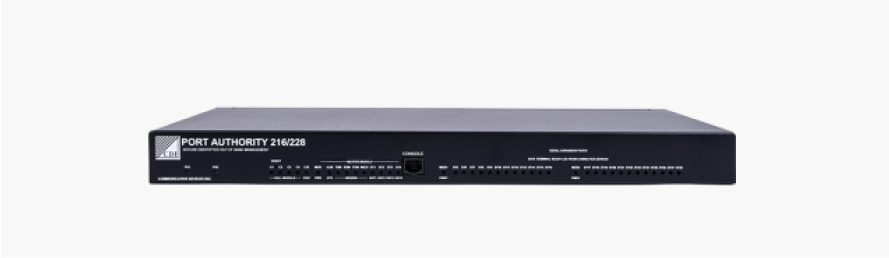
Mission-critical network access devices are not ordinary IT assets. While laptops, servers, and cloud resources may follow short refresh cycles, secure Out-of-Band Management infrastructure must be engineered for years of continuous, reliable operation.
This article explains why long-life engineering matters for serial console servers, OOBM appliances, and remote infrastructure access platforms deployed in federal, telecom, financial, utility, and critical infrastructure environments. It explores the lifecycle mismatch between general enterprise IT and mission-critical management devices, showing how premature replacement, weak firmware practices, limited support windows, and unstable supply chains can create operational and security risk.
The article also highlights the engineering principles that define long-life infrastructure devices: durable component selection, disciplined firmware updates, supply chain continuity, certification alignment, and vendor support over the full deployment lifecycle.
For CIOs, CISOs, network architects, and infrastructure leaders, the key takeaway is clear: secure Out-of-Band Management should be evaluated not only by feature set or unit cost, but by its ability to remain secure, stable, supported, and available when the production network is unavailable.
CDI’s approach reflects this mission-critical reality by delivering secure, resilient OOBM solutions designed for environments where uptime, encryption, and independent access are non-negotiable.