


Out-of-Band Management Is Now a Security Boundary

Adam Cady

Out-of-Band Management (OOBM) has evolved from a recovery mechanism into one of the most sensitive security boundaries in modern federal infrastructure. As threat actors increasingly exploit management planes to bypass production defenses, federal guidance now treats OOBM as privileged access that must be isolated, resilient, and protected by validated cryptography.
This article examines why FIPS 140-3 has become central to secure OOBM architectures, how CISA’s Binding Operational Directive 23-02 reshapes acceptable management access, and why common commercial compliance frameworks such as SOC 2 and ISO 27001 fall short in federal environments. It also explains the security implications of management-plane compromise, including lateral movement, privilege escalation, and total infrastructure control.
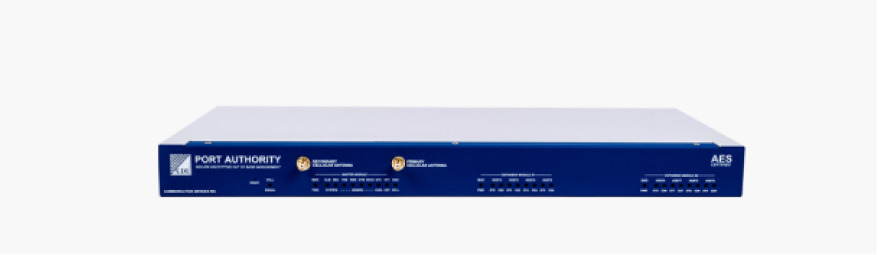
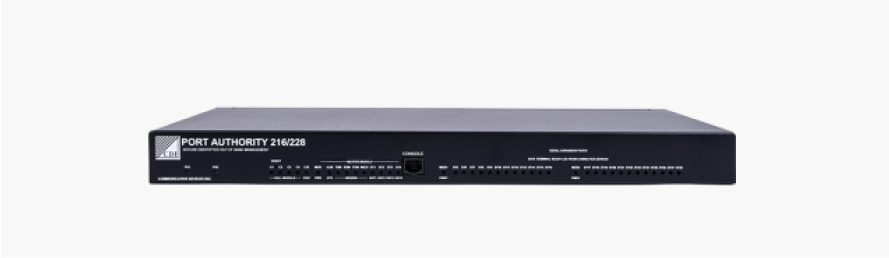
Drawing on real federal requirements and Zero Trust principles, the article outlines why OOBM must be physically or logically separated from production networks and secured using independently validated cryptographic modules. It concludes by detailing how Communication Devices, Inc. delivers a purpose-built, U.S.-manufactured Out-of-Band Management platform designed to meet FISMA Moderate and High requirements—without retrofitting or inherited compliance assumptions.
Download the full Article
Related Tags
Share this article
Related Content


United States Office
- 85 Fulton Street Boonton, NJ 07005
- +1 973-334-1980
- +1 973-334-0545
- info@commdevices.com
© 2023 Communication Devices, Inc.