

Two-Factor Authentication Without a Network: How CDI Redefined Secure Out-of-Band Access for Federal Environments

Adam Cady

A U.S. federal civilian agency operating in a FISMA High environment faced this exact challenge. Their aging TDM-based OOB infrastructure had reached end-of-life, lacked FIPS-validated cryptography, exposed the agency to compliance risk, and drove escalating operational costs. Most critically, authentication relied on network-based security tools—undermining resilience during outages.
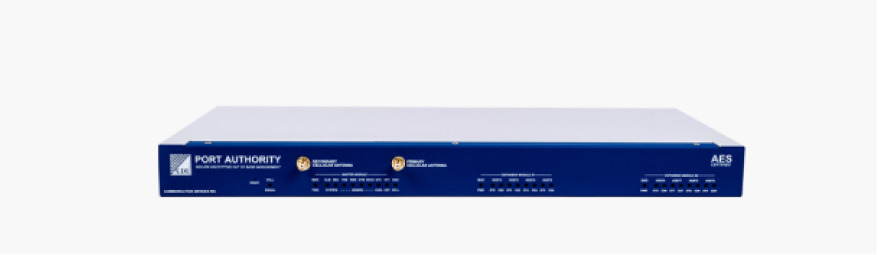
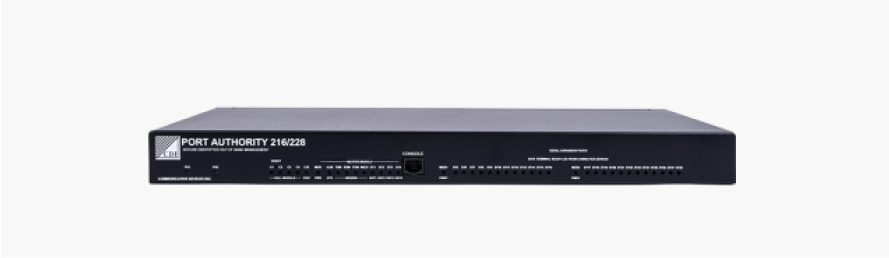
Communication Devices, Inc. (CDI) engaged early, helping shape security requirements before the RFP stage. Rather than layering security on top of legacy designs, CDI delivered a purpose-built OOB architecture where security was foundational. The solution combined secure modem-based infrastructure, private cellular connectivity across dual Tier-1 carriers, private APNs with static IPs, centralized management, and end-to-end encrypted management channels—fully segmented from the public internet.
Deployed across approximately 600 remote sites, the solution enabled secure authentication even when the primary network is unavailable. What began as a phased five-year rollout was accelerated into a full deployment completed in roughly one year, driven by early success and close collaboration between CDI engineers and agency teams.
The results were decisive:
Achieved FISMA High compliance using FIPS-validated architecture
Eliminated non-validated, end-of-life components
Improved resilience and visibility through proactive cellular polling
Reduced downtime and manual intervention
Modernized OOB infrastructure with a future-ready design
Cut monthly operating costs by more than 10× by retiring deregulated POTS circuits
Most importantly, the agency gained secure, reliable remote access that remains available during outages—ensuring operators can authenticate, manage, and recover systems when it matters most.
Download and read the full case study to see how CDI enables secure, compliant out-of-band access—without relying on the network—and why modern OOB architecture is becoming essential for federal and mission-critical environments.
Related Tags
Share this article
Related Content


United States Office
- 85 Fulton Street Boonton, NJ 07005
- +1 973-334-1980
- +1 973-334-0545
- info@commdevices.com
© 2023 Communication Devices, Inc.